
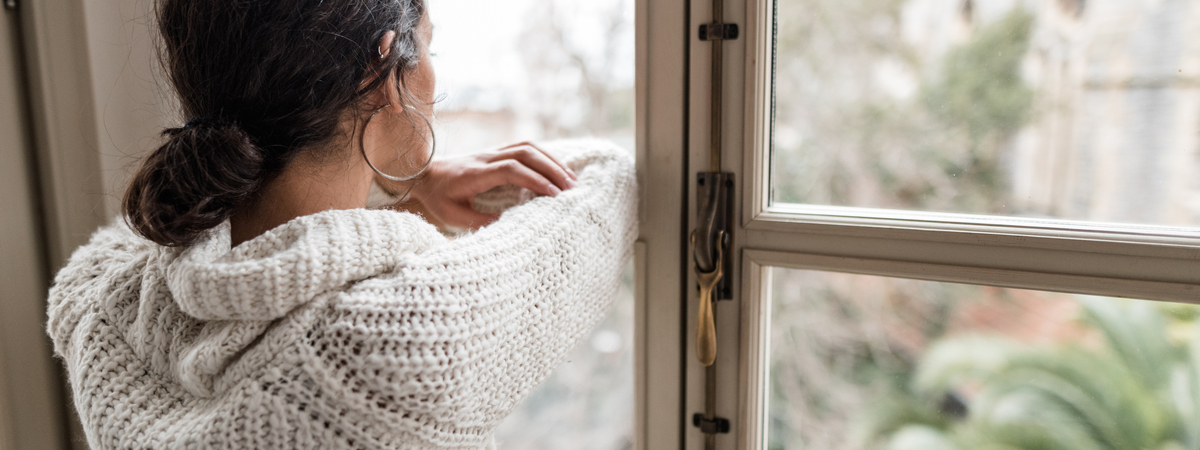
Every January, one Monday has a reputation for being the year’s most difficult day. The third Monday, labelled ‘Blue Monday’, is linked with low moods, low energy, and post-holiday blues.
The idea dates back to 2005, when psychologist Cliff Arnall coined the term for a marketing campaign to encourage holiday bookings. The pseudo-scientific formula was determined to be the ‘bluest’ day of the year.
January brings short days, limited sunlight, and a dip in motivation. For teachers and teaching assistants, the January blues land on top of packed timetables, financial pressures, and the long stretch to half term.
Students feel the January slump too
Even if Blue Monday is a marketing myth, the feelings behind it are real. In January, learners who were buzzing in the autumn often return from Christmas break distracted, less engaged, or not back in lesson mode. This affects pupils across primary and secondary schools.
Add mocks, SATs preparation, GCSE coursework, and options decisions on top, and it is easy to see why January can feel like a mental and emotional climb for students and educators.
A wellbeing reminder (no pseudoscience here)
Blue Monday might be a marketing myth, but it highlights something real: the impact of winter on mental health. Seasonal Affective Disorder (SAD) affects about 5% of people in the UK.
For educators, work-related stress can amplify seasonal lows. The Teacher Wellbeing Index 2025, a survey by Education Support, found that 77% of all education staff experienced physical, psychological or behavioural symptoms due to their work. And 34% experienced a mental health issue in the past academic year. Moreover, within this group, 23% felt this could be depression, compared to 16% of the general population with depression (ONS).
These aren’t just statistics; they reflect educators you work with, learn from and sit next to in staffrooms.
Real-world wellbeing
It’s that time of year when it’s freezing, probably raining, and your car needs de-icing. New classes, curriculum updates and endless forms all pile on the pressure. January can feel like it is working against you, but there are wellbeing tips to help beat the January blues.
Change your mindset. Easier said than done, Kari Leibowitz, psychologist and author of How to Winter: Harness Your Mindset to Thrive on Cold, Dark Days, argues that the key to feeling better in winter is reframing how we see it. That means changing your perspective to find something more positive, constructive or tolerable in the season. Instead of surviving January, envisage it as a slower, calmer chapter of the school year. Fewer distractions, cosier classrooms, and permission to take things slower. It’s not about pretending January is great but about not letting it steal your energy.
Get outside daily. January brings short days, but natural light still matters. It regulates sleep, mood, and energy. Take a walk, volunteer for playground duty, or step outside before school starts. PE teachers get the bonus of daylight as part of their role. The rest of us need to make the most of it.
Let there be light. Light therapy or a lightbox can lift your mood. Even without SAD, light boosts energy. In school, open blinds, ask for brighter bulbs in darker rooms, and take breaks near windows or outside. A brighter classroom makes the space feel more positive and alive.
Move your body. Exercise releases endorphins (your brain’s way of saying ‘cheers’). This doesn’t have to mean squeezing in a swim before school or a HIIT class at 6pm. Stretch while the kettle boils, take the long route to the staffroom, or dance while cooking dinner. The goal is not fitness perfection. It’s nudging your mood in the right direction.
Set small, doable goals. The academic year is in full swing, and teacher workloads are full. January does not need a full personality overhaul. Big resolutions are great until they meet a week of tired students and a stack of marking. Instead, set small, manageable daily goals. One walk. One early night. One task ticked off your list that makes February easier. Tiny wins add up and are kinder to your nervous system than trying to reinvent yourself by February.
Prioritise self-care. Mindfulness or meditation can help calm the mind, reduce anxiety, and improve focus. Apps such as Headspace or Calm can be a helpful starting point, even if you only have a few minutes between lessons. Is there a way to incorporate mindfulness into classroom or teaching time? Mindfulness-Based Interventions (MBIs) have shown benefits for mental health among children and adolescents.
Limit negative input. Watch your media intake. Take breaks from news or social media if it increases stress. Swap a scroll for a walk or a staffroom chat. Your brain does not need a running commentary on everything going wrong while you are surviving a wet January Monday.
Be kind to your mind. If motivation is low, don’t force productivity. Lower energy in January is normal. See this month as a chance to slow down without guilt. Rest, nourish yourself, and remember this will pass. Adjust sleep routines, enjoy quieter evenings, and take advantage of peaceful moments. Lesson planning can also help. Mapping out your January lessons in advance gives structure without pressure, so when energy dips, you’re still on track.
Assess your resolutions. Many of us stumble with New Year’s resolutions in January. Instead of being hard on yourself, reflect on what worked, what did not, and why. Treat it as a learning opportunity and a reminder that you can still work towards your goals this year.
Recognise seasonal changes. Winter is a time to slow down, rest and restore; think of it as your teaching hibernation. Use the slower pace to prepare for a busier term. Reduce over-scheduling, focus on what matters, and students and colleagues will notice your calm presence.
Build strong relationships. Positive relationships with students make teaching more rewarding. Leaning on colleagues for support, swapping tips, and sharing lighter moments in staffrooms reduces stress and makes January feel less January.
Effective classroom management. Clear classroom rules and routines help prevent disruptions, support positive behaviour, and reduce stress. A well-structured classroom is a positive space for you and your students.
Classroom hygge. Creating a cosy reading nook equipped with blankets, hot chocolate, and good books provides a dedicated space for self-care that promotes relaxation. This could be in the classroom or the staffroom.
Appreciate January
Try replacing negative language about January as something to be dreaded or endured with more appreciative language. For example, this month can provide an opportunity to rest and recharge.
We can’t dictate when the sun shines, or how a lesson goes, but there are evidence-based strategies to support the January blues.
Helpful resources
The government lists mental health support for teachers and teaching assistants. Taking advantage of these resources doesn’t make you weak but makes you prepared, resilient, and ready to be your best.
Explore the Protocol Education CPD academy for more tips and resources to support your wellbeing and professional growth. Your January teaching win might start with a little self-care.


